
Psychosocial Risk Management: Why Every Organisation Needs a Smarter, More Proactive Approach
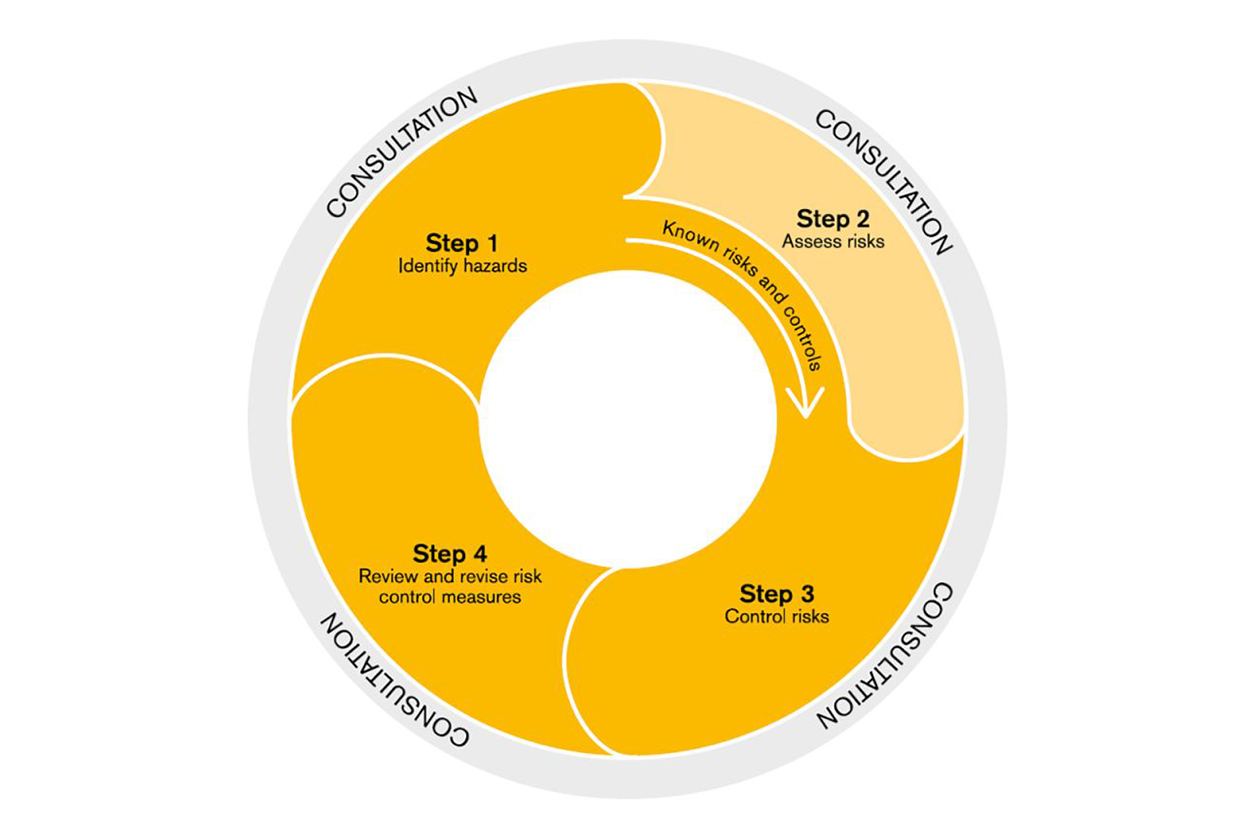
Psychosocial Risk Management is no longer a “nice to have” or an HR-only initiative, it’s a core compliance requirement and a fundamental part of running a safe, sustainable organisation. Across Australia, legislation now requires employers to identify, assess, control, and monitor psychosocial hazards with the same rigour applied to physical health and safety.
The message from regulators is clear: psychosocial harm is preventable when organisations design work well, respond early, and listen to their people. Effective Psychosocial Risk Management ensures not only compliance but also stronger culture, improved performance, and long-term workforce wellbeing.
Below is a practical, leader-friendly overview of what Psychosocial Risk Management really involves and how businesses can build a system that protects wellbeing, strengthens culture, and meets their legal duties.
What the Legislation Requires
Across jurisdictions, employers must take reasonable and proportionate steps through Psychosocial Risk Management to prevent psychological harm. This includes:
- Identifying psychosocial hazards
- Assessing the level of risk they create
- Implementing controls to eliminate or minimise those risks
- Monitoring and reviewing those controls to ensure they remain effective
This is not a one-off exercise. Psychosocial Risk Management is an ongoing cycle embedded into everyday systems of work — from incident reporting to leadership practices, from work design to workplace culture.
Common Psychosocial Hazards: Work Design & Workplace Culture
Psychosocial hazards typically fall into two categories within Psychosocial Risk Management:
- Work Design Hazards
These arise from how work is structured:
- High job demands — excessive workload, time pressure, emotional labour
- Low role clarity — unclear expectations or responsibilities
- Poor support — inadequate supervision or inconsistent leadership
- Low job control — limited autonomy or rigid processes
These risks often appear subtly increased errors, rushing, and unsustainable work pace.
- Interpersonal & Cultural Hazards
These relate to behaviours and organisational norms:
- Bullying — repeated unreasonable behaviour
- Sexual harassment — unwelcome conduct of a sexual nature
- Gendered violence — behaviours linked to inequality or power imbalance
Strong Psychosocial Risk Management requires leadership accountability and early intervention to address these risks.
How Organisations Should Assess Psychosocial Risk
A structured Psychosocial Risk Management approach draws on multiple data sources:
- Internal Systems of Work
- Incident reporting systems
- Response pathways and leadership consistency
- Workforce Data & Trends
- Exit interviews
- Complaints and grievances
- Absenteeism and turnover patterns
- Consultation With Workers
A legal requirement and critical for effective Psychosocial Risk Management:
- What’s working well?
- What’s creating pressure?
- What needs to change?
- Observations of Work in Practice
- Are workers rushing?
- Are interactions respectful?
- Are customers creating pressure or risk?
Proactive, Annual Psychosocial Risk Profiling
Leading organisations embed Psychosocial Risk Management into annual reviews using:
- Psychosocial risk assessments
- Workforce surveys
- Culture or climate diagnostics
- Respect at Work or PSC (Psychosocial Safety Climate) measures
This enables organisations to:
- Identify emerging risks
- Benchmark progress
- Prioritise controls
- Strengthen systems before harm occurs
Implementing Controls: Turning Insight Into Action
Effective Psychosocial Risk Management requires practical action:
- Redesigning roles or workloads
- Improving leadership capability
- Clarifying responsibilities
- Strengthening policies and reporting pathways
- Addressing culture through training and accountability
- Improving staffing, systems, and tools
- Enforcing behavioural standards consistently
Controls must be documented, communicated, and regularly reviewed.
Monitoring & Reviewing Controls
Psychosocial Risk Management is continuous. Organisations should regularly ask:
- Are controls working effectively?
- Are new risks emerging?
- Are workers reporting earlier?
- Are leaders responding consistently?
- What trends does the data show?
Final Thoughts
Psychosocial Risk Management isn’t just about compliance; it’s about designing work well and improving systems of work and culture so people can thrive. Organisations that take a proactive, evidence-based approach reduce harm, improve performance, and build workplaces where people feel valued and supported.